

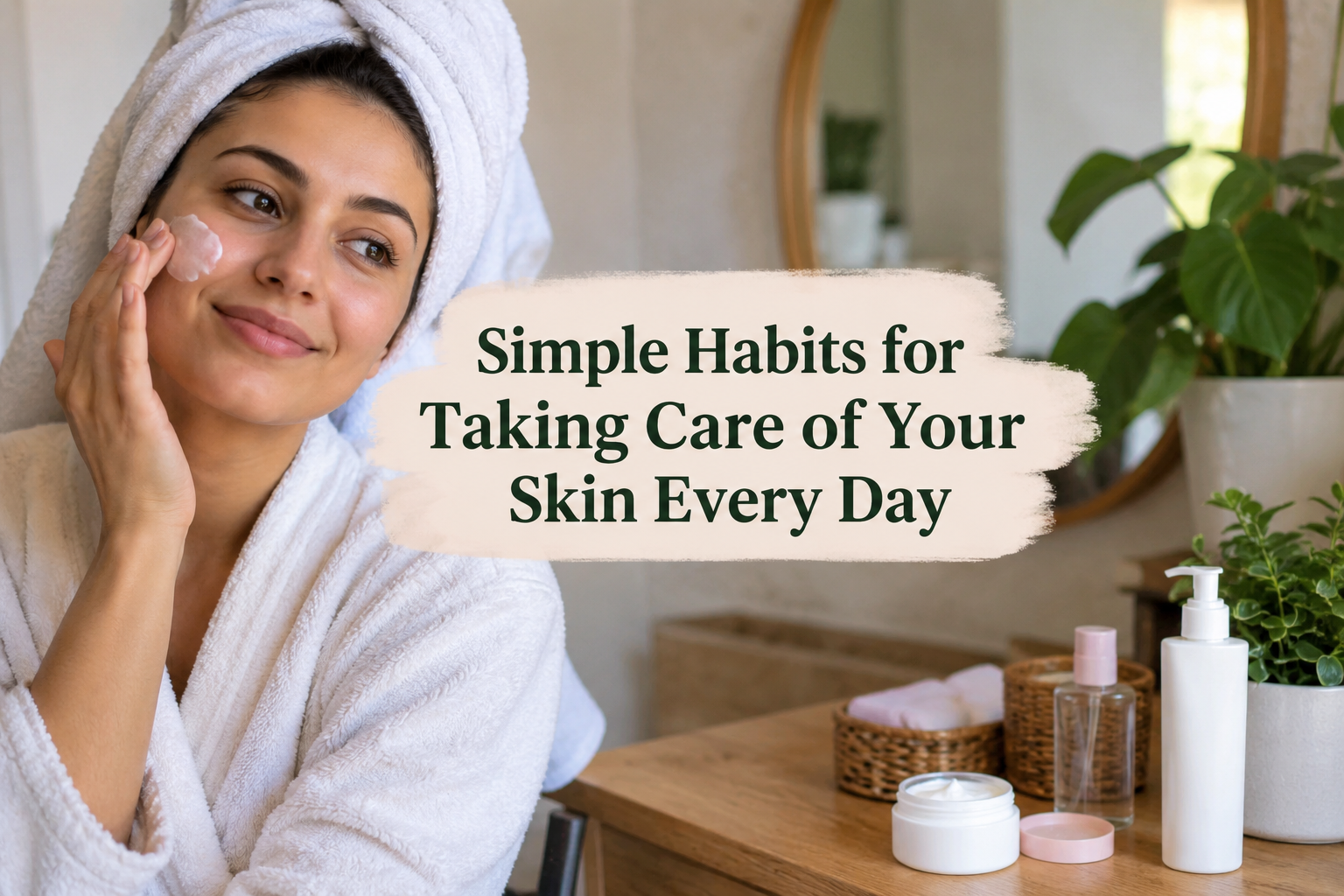
Taking care of your skin does not always require expensive products or a complicated routine. In many cases, simple daily habits can make a noticeable difference in how your skin looks and feels. Healthy skin care is mostly about consistency. When you follow a few basic habits every day, your skin gets regular support to stay clean, comfortable, and well cared for.
Our skin is exposed to many things throughout the day. Dust, sunlight, sweat, weather changes, pollution, and even our own habits can affect its condition. This is why everyday skin care is important. A routine does not have to be long. It simply needs to include useful habits that fit naturally into your lifestyle.
The goal of daily skin care should be to protect the skin, keep it clean, maintain moisture, and avoid unnecessary irritation. With the right approach, even a very simple routine can be effective.
Start With Gentle Cleansing
One of the most important habits for taking care of your skin every day is gentle cleansing. The skin naturally collects oil, sweat, dust, and other impurities during the day. Washing helps remove these materials and keeps the skin feeling fresh.
However, washing too often or using harsh products can leave the skin dry and uncomfortable. A gentle cleanser is usually a better choice for daily use. It should clean the skin without making it feel tight afterward.
For many people, washing the face in the morning and again before bed is enough. The evening wash is especially important because it helps remove dirt, sunscreen, makeup, and pollution that may collect throughout the day.
Use lukewarm water instead of very hot water. Hot water may feel relaxing, but it can sometimes remove too much natural oil from the skin.
Keep Your Skin Moisturized
Moisturizing is another basic habit that can support healthy looking skin. Moisturizers help reduce water loss from the surface of the skin and can make it feel smoother and softer.
Even people with oily skin may benefit from moisturizing. The key is choosing a product that suits your skin type. Lightweight moisturizers may feel better on oily skin, while richer creams can be more comfortable for dry skin.
A good time to apply moisturizer is shortly after washing your face or taking a bath. Applying it while the skin still feels slightly damp may help support moisture retention.
You do not need to use a large amount. A small, even layer is usually enough.
Protect Your Skin From the Sun
Daily sun protection is one of the most valuable skin care habits. Sunlight is part of everyday life, but too much exposure to ultraviolet radiation can affect the skin over time.
Using sunscreen on exposed areas can help protect the skin. Many people use sunscreen only when going to the beach or spending hours outdoors, but regular daily use can also be useful.
Choose a broad spectrum sunscreen with a suitable sun protection factor. Apply it to exposed skin such as the face, neck, ears, and hands when needed.
Other simple forms of sun protection can also help. Wearing a hat, using sunglasses, sitting in the shade, and choosing covered clothing during strong sunlight can reduce direct exposure.
Sun protection is not only a summer habit. Ultraviolet rays can still reach the skin during other seasons and on cloudy days.
Avoid Touching Your Face Too Often
Many people touch their faces without realizing it. We may touch our cheeks, rub our eyes, rest our chin on our hands, or pick at small spots on the skin.
Hands come into contact with phones, keyboards, doors, desks, and many other surfaces. Frequent face touching may transfer dirt and oil to the skin.
Trying to reduce unnecessary face touching is a simple daily skin care habit. It may also reduce the temptation to squeeze pimples or pick at irritated areas.
Picking the skin can make irritation worse and may slow down the natural healing process. It is usually better to keep the area clean and allow it time to recover.
Drink Enough Water
Water is important for the normal functions of the body. Staying properly hydrated supports overall wellbeing and can be part of a healthy lifestyle that includes skin care.
Drinking water does not work like a cosmetic product, and it should not be viewed as a quick treatment for skin problems. Still, good hydration is part of general health.
Try to drink water regularly throughout the day instead of waiting until you feel extremely thirsty.
Your water needs may change depending on the weather, physical activity, diet, and other personal factors.
Eat a Balanced Diet
Daily skin care is not only about what you apply to the outside of your body. Your overall diet also matters.
A balanced eating pattern that includes vegetables, fruits, whole grains, protein sources, and healthy fats provides nutrients that the body uses every day.
For example, fruits and vegetables contain different vitamins and plant compounds. Protein provides amino acids that are needed for many body tissues. Healthy fats are also an important part of a balanced diet.
There is no single food that guarantees perfect skin. It is more useful to focus on overall eating habits rather than searching for one special ingredient.
Try to include a variety of foods and avoid depending too heavily on highly processed foods.
Get Enough Sleep
Sleep is another simple habit that is closely connected with overall wellbeing. The body goes through many natural processes during rest, which is why a regular sleep routine can support general health.
Poor sleep may leave you feeling tired, stressed, and less motivated to follow healthy habits. It may also affect how fresh your skin appears.
Try to maintain a consistent bedtime and waking time whenever possible.
Creating a calm evening routine can make sleep easier. Reducing unnecessary screen use before bed, keeping the room comfortable, and avoiding very late meals may help some people relax.
Keep Your Pillowcase Clean
Your pillowcase stays in contact with your face for several hours every night. Over time, it may collect oil, sweat, hair products, and dead skin cells.
Changing and washing pillowcases regularly is a very simple skin care habit. It helps create a cleaner surface for your face while you sleep.
The ideal washing schedule can vary depending on your lifestyle. People who sweat more, have oily skin, or use hair products may prefer changing pillowcases more often.
It is also helpful to wash bed sheets regularly as part of general personal hygiene.
Clean Your Phone Regularly
Your phone is another object that frequently comes close to your face. It is touched many times throughout the day and may collect oil and dirt from the hands and surrounding surfaces.
Cleaning your phone screen regularly is a useful hygiene habit. Follow the manufacturer’s instructions so that you do not damage the screen or device.
Using earphones or speaker mode for long conversations may also reduce direct contact between the phone and your face.
This is a small habit, but it is easy to include in everyday life.
Be Gentle When Drying Your Skin
After washing your face, avoid rubbing the skin aggressively with a towel. Instead, gently pat the skin dry.
A clean, soft towel is usually the best option. Rough rubbing can sometimes make sensitive skin feel more irritated.
It is also a good idea to avoid sharing face towels with other people. Keeping personal hygiene items separate can help maintain cleanliness.
Wash towels regularly and allow them to dry properly between uses.
Avoid Using Too Many Products at Once
Skin care has become a large industry, and it is easy to feel that you need many different products. In reality, more products do not always mean better results.
Using too many active ingredients at the same time can sometimes cause dryness, redness, or irritation.
A simple routine may be enough for many people. Cleansing, moisturizing, and sun protection can form the foundation.
If you want to introduce a new product, consider adding one at a time. This makes it easier to notice how your skin responds.
Give your routine time. Constantly changing products can make it difficult to understand what is working.
Choose Products According to Your Skin Type
Everyone’s skin is different. A product that works well for one person may not suit another.
Some people have naturally dry skin, while others have oily or combination skin. Some people also have sensitive skin that reacts easily to fragrances or strong ingredients.
Understanding your skin type can help you choose more suitable products.
Dry skin may benefit from richer moisturizers. Oily skin may feel more comfortable with lightweight products. Sensitive skin may do better with simple formulas containing fewer irritating ingredients.
You do not need to follow every skin care trend. Focus on what your own skin needs.
Remove Makeup Before Sleeping
If you wear makeup, removing it before bed should become part of your daily routine.
Sleeping with makeup on can leave the skin covered with cosmetic products, oil, and dirt collected during the day.
Use a suitable makeup remover or cleansing product, then gently wash the skin if necessary.
There is no need to scrub aggressively. Take your time and remove products gently, especially around the eyes.
Keeping the skin clean before sleeping can make your overall routine feel much more comfortable.
Take Care of Your Lips
The lips are often forgotten during daily skin care. Because the skin on the lips is delicate, it can become dry or cracked, especially during cold or dry weather.
Using a simple lip moisturizer can help keep the lips comfortable.
Try not to lick dry lips repeatedly. Although licking may provide temporary relief, moisture can evaporate quickly and leave them feeling dry again.
Sun protection for the lips can also be useful when spending time outdoors.
Protect Your Hands
Your hands are exposed to water, soap, sunlight, cleaning products, and weather conditions every day.
Frequent handwashing is important for hygiene, but it may sometimes leave the skin feeling dry. Applying hand cream after washing can help restore comfort.
When using strong household cleaning products, gloves may provide useful protection.
Sunscreen can also be applied to the backs of the hands when they are regularly exposed to sunlight.
Hand care is a simple extension of your overall skin care routine.
Do Not Forget Your Neck
Many people focus only on the face, but the neck is also regularly exposed to sunlight and environmental conditions.
When applying moisturizer or sunscreen, include the neck as well.
You do not need a completely separate set of products for this area. In many cases, the same gentle products used on the face can also be used on the neck, depending on your skin.
Taking care of both areas creates a more complete daily routine.
Keep Your Routine Consistent
Consistency is one of the most important parts of skin care.
A simple routine followed regularly is often easier to maintain than a complicated routine that becomes difficult after a few days.
Choose habits that fit naturally into your schedule. For example, wash and moisturize your face after brushing your teeth. Apply sunscreen before leaving home. Clean your phone while organizing your desk.
When skin care becomes connected to existing daily habits, it becomes easier to remember.
Do not expect instant changes. Skin care is usually about long term consistency rather than overnight results.
Pay Attention to How Your Skin Responds
Your skin may change with the weather, age, stress, travel, diet, or lifestyle.
A moisturizer that feels comfortable in winter may feel too heavy during hot weather. Your skin may also feel drier after spending time in air conditioning or outdoors.
Pay attention to these changes and adjust your routine when necessary.
If a product causes persistent burning, swelling, itching, or significant irritation, stop using it and seek professional advice if needed.
Skin care should make your skin feel comfortable, not painful.
Manage Stress in Healthy Ways
Stress is a normal part of life, but managing it can support overall wellbeing.
Simple activities such as walking, reading, breathing exercises, listening to relaxing music, or spending time away from screens can help you unwind.
A calmer routine may also make it easier to sleep well, eat properly, and stay consistent with personal care habits.
Skin care works best when it is part of a broader healthy lifestyle rather than something treated separately.
Avoid Very Hot Showers
A hot shower can feel comfortable, especially in cold weather, but very hot water may leave the skin feeling dry.
Using warm or lukewarm water is usually gentler.
You also do not need to stay in the shower for a very long time every day. A comfortable shower followed by moisturizer can be enough for regular personal care.
Pay attention to how your skin feels after bathing. If it regularly feels tight or itchy, you may need to adjust the water temperature or products you are using.
Keep Skin Care Simple
One of the best things about everyday skin care is that it does not need to become stressful.
You do not need ten products, complicated tools, or expensive treatments to build useful habits.
A basic routine may include gentle cleansing, moisturizer, sunscreen, clean personal items, good sleep, balanced meals, and enough water.
These simple habits are easy to understand and easier to maintain over time.
The most effective routine is usually the one you can follow regularly.
Final Thoughts
Simple habits for taking care of your skin every day can become a natural part of your lifestyle. The key is to focus on gentle, practical, and consistent care.
Start by keeping your skin clean, moisturizing regularly, and protecting it from excessive sun exposure. Keep pillowcases, towels, and phones clean. Avoid touching or picking at your face unnecessarily. Support your routine with enough sleep, balanced meals, proper hydration, and healthy stress management.
There is no need to chase perfection. Healthy skin care is about supporting your skin and responding to its needs over time.
By building a few useful habits into your daily routine, you can create a skin care approach that feels simple, realistic, and easy to maintain.