

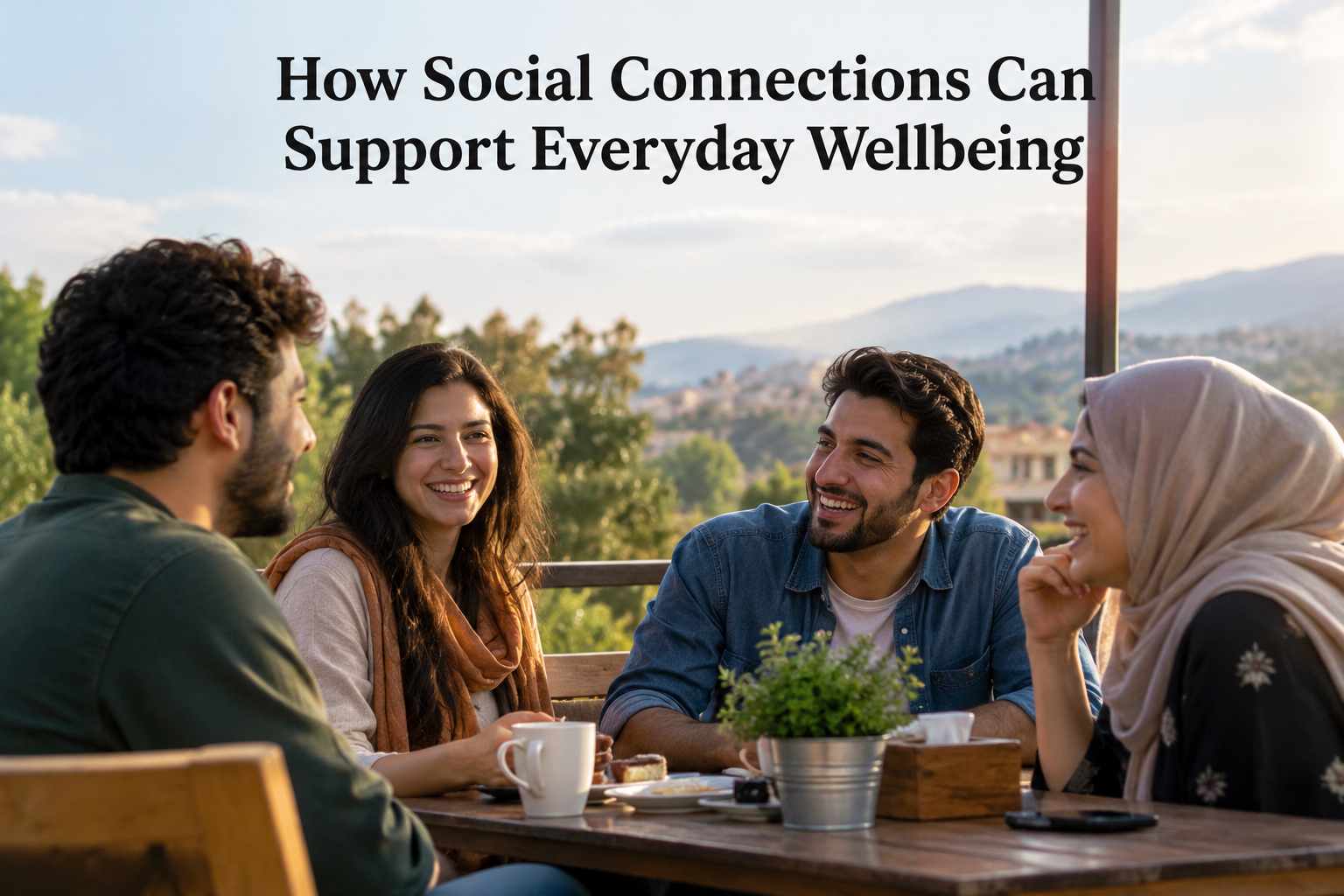
Social connections are an important part of everyday life. We may not always think about them in the same way we think about food, exercise, sleep, or personal care, but relationships can have a strong influence on how we feel during the day. A short conversation with a friend, a meal with family, a supportive message, or even a friendly exchange with a neighbor can make daily life feel more connected and meaningful.
When I read about wellbeing, one idea appears again and again: people often do better when they feel connected to others. This does not mean someone needs a large social circle or constant activity. A few healthy and meaningful relationships can be enough to create a sense of belonging.
Learning how social connections can support everyday wellbeing is useful because relationships are part of almost every stage of life. They can provide emotional support, practical help, encouragement, companionship, and opportunities to share experiences. At the same time, healthy social connection should feel natural and balanced rather than forced.
What Are Social Connections?
Social connections are the relationships and interactions we have with other people. These connections can include family members, friends, coworkers, classmates, neighbors, community members, and people we meet through shared interests.
Some social connections are very close and personal, while others are simple everyday interactions. Talking to a shopkeeper, greeting a neighbor, discussing work with a colleague, or sharing a few words with someone during a walk are all forms of social interaction.
The quality of these relationships often matters more than the number of people we know. Someone may have hundreds of contacts online but still feel disconnected. Another person may have only a few close relationships and feel deeply supported.
Healthy social connections are usually based on respect, trust, communication, kindness, and mutual understanding.
Social Connections Can Create a Sense of Belonging
One of the most valuable benefits of social connection is the feeling of belonging.
Most people naturally want to feel that they are part of something. This could be a family, a group of friends, a workplace, a neighborhood, or a community. Feeling included can make everyday life feel more stable and meaningful.
A sense of belonging may come from simple experiences. Sitting with family at dinner, joining a regular group activity, talking with coworkers during a break, or checking in with an old friend can remind us that we are connected to a wider social world.
These small moments can help make ordinary days feel warmer and less isolated.
Meaningful Conversations Can Improve the Day
Not every conversation needs to be long or serious.
Sometimes a simple conversation can change the mood of an entire day. Asking someone how they are doing, sharing a funny story, talking about a common interest, or discussing plans for the weekend can provide a pleasant mental break.
Good conversations can also help us organize our thoughts. When we explain something to another person, we may understand our own feelings or ideas more clearly.
Listening is equally important. When people feel heard, they are often more comfortable sharing their experiences. This is one reason active listening can strengthen social relationships.
Friends Can Provide Everyday Support
Friendships can support wellbeing in many different ways.
A good friend may offer encouragement when something feels difficult. Friends can also provide company during ordinary activities such as walking, shopping, exercising, studying, or having a cup of tea.
Friendships often give people space to share thoughts that they may not discuss in other settings. This does not mean every conversation must focus on problems. In fact, friendships are often strengthened by simple experiences such as laughing together, sharing hobbies, or remembering old stories.
Maintaining friendships usually requires some effort, but it does not need to be complicated. Sending a short message, making a phone call, or meeting occasionally can help keep a connection active.
Family Relationships Can Add Stability
Family relationships can be another important source of social connection.
Every family is different, and family relationships are not always simple. However, supportive family interactions can provide a strong sense of familiarity and stability.
Sharing meals, discussing daily experiences, helping with household responsibilities, celebrating important events, and spending relaxed time together can strengthen family bonds.
Small habits often matter more than large gestures. Asking about someone’s day, helping with a task, or sitting together without distractions can create meaningful moments of connection.
When family members communicate respectfully, they may also find it easier to understand each other’s needs.
Social Connections Can Encourage Healthy Habits
The people around us can influence our daily routines.
For example, walking with a friend can make regular movement more enjoyable. Cooking with family may encourage more home prepared meals. Joining a sports group can make physical activity feel more social. A friend may also remind us to take breaks, rest, or maintain balance during busy periods.
Healthy social influence can make positive habits easier to continue because they become part of a shared routine.
This is one reason people often enjoy activities more when they do them with someone else. The activity is not only about the task itself. It also becomes an opportunity to connect.
Shared Activities Can Strengthen Relationships
One of the easiest ways to build social connections is through shared activities.
People often connect naturally when they are doing something together. This could include cooking, gardening, exercising, studying, volunteering, playing games, attending community events, or working on a hobby.
Shared activities reduce the pressure to keep a conversation going all the time. The activity gives people something to focus on and discuss.
For someone who feels uncomfortable in large social situations, activity based connection can be especially useful. A person may find it easier to connect while walking, working, or learning something together.
Community Connections Also Matter
Social wellbeing is not limited to close friends and family.
Feeling connected to the local community can also make daily life more pleasant. Knowing neighbors, visiting familiar local places, participating in community activities, or simply exchanging greetings with people can create a sense of familiarity.
These small community relationships may seem minor, but they can make a neighborhood feel friendlier and more welcoming.
Community connection can also create opportunities to help others. Offering assistance, sharing information, volunteering, or supporting a local event can strengthen both personal relationships and the wider community.
Social Connection Does Not Mean Constant Socializing
It is important to remember that wellbeing does not require being socially active all the time.
People have different personalities and different levels of social energy. Some enjoy large groups and frequent gatherings. Others prefer smaller groups, quiet conversations, or more time alone.
Both approaches can be healthy.
The goal is not constant interaction. The goal is meaningful connection that fits comfortably into daily life.
Time alone can also be valuable. Reading, resting, thinking, walking, or enjoying a hobby independently can provide balance. Social connection works best when it exists alongside healthy personal space.
Online Communication Can Help Maintain Relationships
Technology has changed the way people stay connected.
Messages, video calls, group chats, and social platforms make it easier to communicate with friends and family who live far away. These tools can be especially useful when meeting in person is difficult.
However, online communication works best when it supports real relationships rather than replacing every form of direct interaction.
A thoughtful message or video call can be meaningful, but it is also useful to make time for face to face interaction when possible.
The most important thing is the quality of communication. A short but genuine conversation may feel more valuable than hours of distracted online activity.
Simple Ways to Strengthen Social Connections
Building stronger relationships does not require a dramatic change in lifestyle.
Small actions can make a difference. You can send a message to someone you have not spoken to recently. You can ask a coworker how their day is going. You can eat a meal with family without keeping your phone in your hand. You can invite a friend for a short walk or join a local activity that matches your interests.
It is also helpful to show interest in other people’s experiences.
Remembering an important event, asking follow up questions, listening carefully, and offering support when appropriate can make relationships feel more genuine.
Consistency is important. Strong relationships usually develop through repeated small interactions rather than one large effort.
Listening Is a Powerful Social Skill
Good social connection is not only about talking.
Listening can be one of the most valuable ways to support another person. When someone is speaking, giving them your attention shows respect and interest.
This means avoiding unnecessary interruptions, listening to the complete thought, and responding thoughtfully.
You do not always need to solve someone’s problem. Sometimes people simply want to feel understood.
Being a good listener can make conversations more meaningful and can encourage trust over time.
Healthy Boundaries Are Part of Good Relationships
Social connection should support wellbeing, not create constant pressure.
Healthy relationships usually include boundaries. This means understanding that people may need privacy, quiet time, rest, or personal space.
It is normal to say no to some invitations, limit certain conversations, or take time for yourself. Healthy boundaries can actually improve relationships because they allow people to interact with greater respect.
A balanced relationship should not depend on one person always giving while the other only receives.
Mutual respect is an important part of long term social wellbeing.
Social Connections Can Add Meaning to Ordinary Moments
Some of the best social experiences are very simple.
A morning conversation, a shared lunch, a phone call with a relative, a walk with a friend, or a few minutes spent talking with a neighbor may not seem significant at the time.
However, these moments can become an important part of everyday wellbeing.
Life is made up largely of ordinary days. When those days include friendly and supportive connections, they can feel more enjoyable and meaningful.
This is why social wellbeing does not always require special events. Regular human interaction can be enough.
Make Social Connection Part of Your Routine
Just like sleep, movement, or personal care, social connection can become part of a healthy routine.
This does not mean creating a strict social schedule. It simply means making some space for relationships.
You might call a friend once a week, eat dinner with family more often, take regular walks with someone, or join a group connected to a hobby.
These habits can help prevent relationships from becoming forgotten during busy periods.
When social connection becomes part of normal life, it usually feels easier and more natural to maintain.
Focus on Quality Rather Than Numbers
A large social circle is not necessary for wellbeing.
For many people, a few trusted relationships are more meaningful than a long list of casual contacts.
Quality relationships usually include honesty, respect, understanding, and mutual effort. You should be able to communicate without feeling that you must constantly impress the other person.
It is also normal for relationships to change over time. Some friendships become closer, while others become less active as life circumstances change.
What matters is maintaining connections that feel positive and supportive.
Be Open to New Connections
While long term relationships are valuable, new social connections can also add something positive to life.
New friendships may begin through work, study, hobbies, sports, community activities, or everyday conversations.
There is no need to force friendship quickly. Many strong relationships begin slowly through repeated contact and shared experiences.
Being friendly, curious, respectful, and open to conversation can create opportunities for connection.
Even if every interaction does not lead to friendship, positive social contact can still make everyday life feel more pleasant.
Conclusion
Understanding how social connections can support everyday wellbeing shows that relationships are an important part of a balanced lifestyle.
Strong social wellbeing does not require constant socializing, a large friend group, or frequent events. It can grow through simple and meaningful interactions with family, friends, coworkers, neighbors, and community members.
Listening carefully, staying in touch, sharing activities, respecting boundaries, and making time for people can all strengthen social connection.
The most useful approach is often the simplest one. Call someone. Share a meal. Take a walk together. Ask how someone is doing and listen to the answer.
Over time, these small actions can build stronger relationships and make everyday life feel more connected, supportive, and meaningful.