

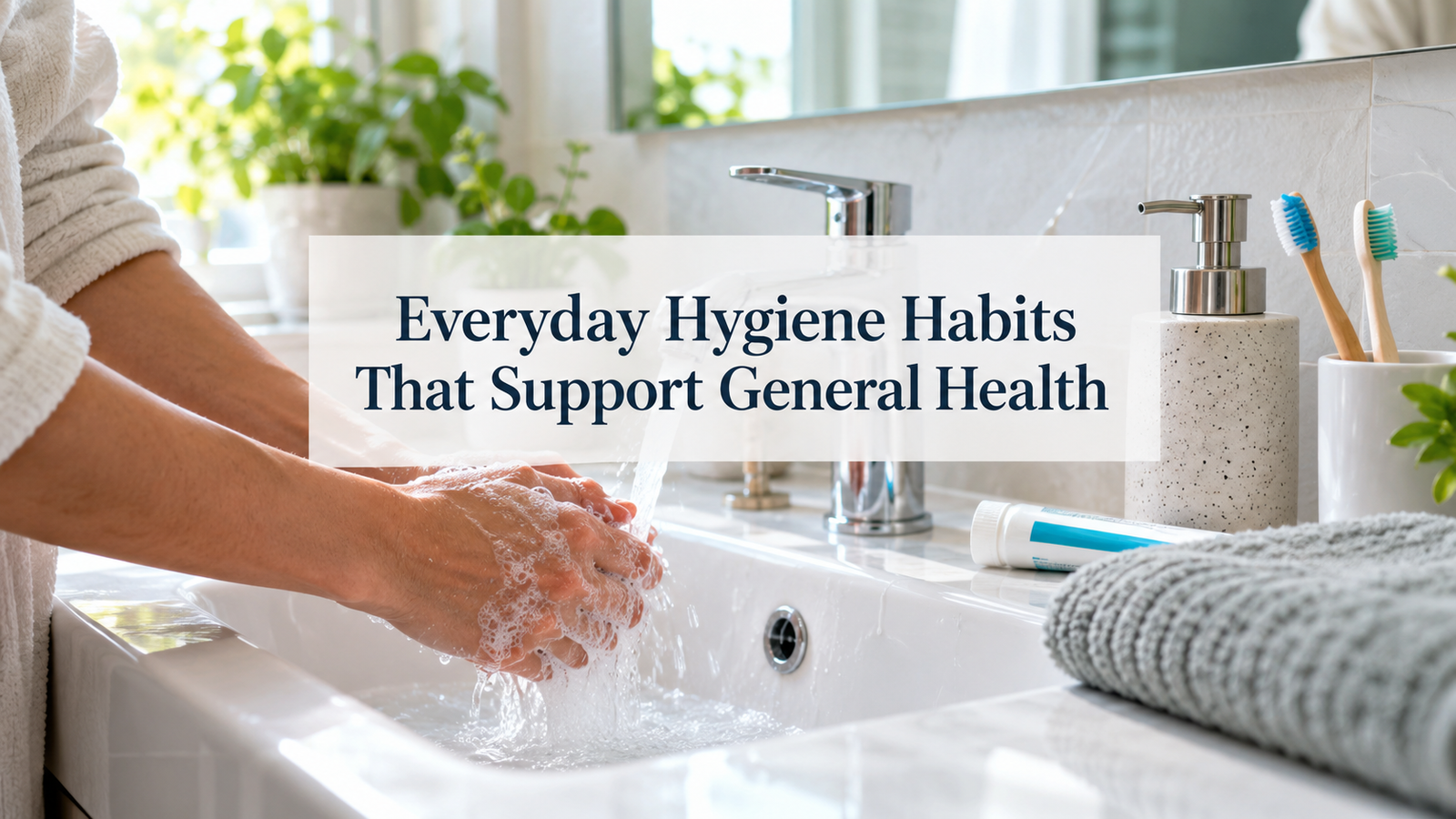
Good hygiene is one of the simplest ways to take care of the body every day. We often think about health in terms of food, exercise, sleep, and medical care, but basic hygiene also plays an important role in general wellbeing. Small habits such as washing hands, keeping the mouth clean, taking regular showers, wearing clean clothes, and keeping personal spaces tidy can help us feel fresh, comfortable, and confident.
After reading about personal hygiene and observing how simple daily habits affect everyday life, I have realized that staying clean does not need to be complicated. The most effective routines are usually the ones that are easy to follow consistently.
Everyday hygiene habits that support general health are not about trying to stay perfectly clean all the time. They are about reducing unnecessary exposure to dirt and germs while keeping the skin, mouth, hair, clothes, and surroundings reasonably clean.
Wash Your Hands Regularly
Hand washing is one of the most important everyday hygiene habits. Our hands touch phones, keyboards, door handles, money, tables, food, and many other surfaces throughout the day.
Because of this, washing the hands regularly helps remove dirt and microorganisms that may collect on the skin.
Hands should especially be washed before preparing or eating food, after using the toilet, after coughing or sneezing into the hands, after handling garbage, and after coming home from crowded public places.
Soap and clean water are usually enough for normal hand washing. Take time to clean the palms, backs of the hands, fingers, fingertips, and areas around the nails.
There is no need to wash the hands constantly without reason. The goal is simply to develop a sensible routine around situations where cleanliness matters most.
Maintain Good Oral Hygiene
The mouth also needs regular care. Teeth, gums, and the tongue come into contact with food and drinks throughout the day, so maintaining good oral hygiene should be part of a normal daily routine.
Brushing the teeth regularly helps remove food particles and plaque. Using a soft toothbrush and brushing gently can help keep the teeth and gums clean without unnecessary pressure.
Cleaning between the teeth is also useful because a toothbrush may not reach every small space.
The tongue should not be ignored either. A gentle cleaning of the tongue may help keep the mouth feeling fresh.
Drinking enough water can also support normal mouth comfort, particularly after meals or sweet drinks.
Good oral hygiene is not only about appearance. A clean mouth can improve comfort, freshen the breath, and make eating and speaking more pleasant.
Take Regular Showers
Taking a shower helps remove sweat, dust, body oils, and dirt from the skin. The exact frequency may depend on the weather, physical activity, and personal needs.
Someone working outdoors in hot weather may need to shower more often than someone spending most of the day indoors.
It is useful to pay particular attention to areas where sweat can collect, such as the underarms, feet, groin, and skin folds.
Very hot water is not always necessary. Comfortable warm water is usually enough for normal bathing.
Using too much strong soap can sometimes leave the skin feeling dry, so a gentle approach is often better.
The aim of regular bathing is simple. Keep the body clean and comfortable without treating the skin too harshly.
Wear Clean Clothes
Clean clothing is another basic part of personal hygiene. Clothes absorb sweat, body oils, dust, and odors during the day.
Underwear and socks generally need regular changing because they remain in close contact with the skin for long periods.
Shirts and other clothes should also be changed according to activity levels and cleanliness.
Wearing fresh clothes can make a noticeable difference in personal comfort. It also reduces the amount of sweat and dirt that remains against the skin.
Exercise clothes deserve special attention. After physical activity, sweaty clothing should normally be changed instead of being worn for many additional hours.
Keep Your Feet Clean and Dry
Foot hygiene is easy to overlook, even though the feet spend much of the day inside shoes.
Wash the feet regularly and dry them properly, especially between the toes. Damp areas inside shoes can become uncomfortable and may cause unpleasant odors.
Clean socks can also make a major difference.
Shoes should be allowed to dry when possible, particularly after exercise or long periods of walking.
If one pair of shoes becomes very damp, giving it some time to air before wearing it again can improve comfort.
Keeping the feet clean does not require special products for most people. Normal washing, drying, and clean socks are often enough.
Keep Your Nails Clean
Fingernails can collect dirt during normal daily activities. Keeping nails reasonably short and clean makes personal hygiene easier.
When washing the hands, pay attention to the fingertips and the area around the nails.
Avoid biting the nails if possible. Nail biting can transfer dirt from the fingers to the mouth and can also make the skin around the nails sore.
Toenails also deserve normal care. Trim them carefully and keep the feet clean.
Simple nail maintenance is usually more useful than complicated routines.
Practice Good Coughing and Sneezing Hygiene
Coughing and sneezing are normal body reactions, but it is useful to develop good habits around them.
Instead of coughing directly into the hands, use a tissue or the inside of the elbow when possible.
If a tissue is used, dispose of it properly and wash the hands afterward.
These small habits can help keep shared objects and surfaces cleaner, particularly in homes, schools, offices, and public spaces.
During cold and flu seasons, these habits become even more valuable because many people are spending time indoors together.
Keep Towels and Bedding Clean
Towels come into regular contact with the skin, so they should be allowed to dry properly after use.
A damp towel that remains folded or trapped in a humid place may develop an unpleasant smell.
Hang towels where air can circulate around them and wash them regularly.
Bed sheets and pillowcases should also be cleaned at reasonable intervals because they collect sweat, skin oils, dust, and other particles.
There is no universal schedule that suits every person. Someone who sweats heavily at night may prefer to wash bedding more often.
The important point is to avoid allowing towels and bedding to remain dirty for long periods.
Avoid Sharing Personal Hygiene Items
Some items are better kept for personal use.
Toothbrushes, razors, towels, combs, and similar products should generally not be shared.
These items have direct contact with the mouth, skin, or hair, so keeping them personal is a simple hygiene habit.
Families can make this easier by giving everyone separate storage areas or clearly identifying personal belongings.
It is a small step, but it helps create a cleaner and more organized household routine.
Keep the Kitchen Clean
Personal hygiene and household hygiene are closely connected, especially in the kitchen.
Wash hands before handling food. Keep preparation surfaces reasonably clean and wash utensils after use.
Raw foods and ready to eat foods should be handled carefully to avoid unnecessary mixing or contamination.
Kitchen cloths and sponges should also be cleaned or replaced when they become dirty.
Food should not be left sitting at unsuitable temperatures for long periods.
A clean kitchen does not need to look perfect every minute. The main goal is to keep food preparation areas clean enough for safe and comfortable everyday use.
Keep Your Bathroom Clean
Bathrooms naturally become damp, so regular cleaning helps keep them fresh.
Clean sinks, toilet surfaces, floors, and frequently touched areas according to household needs.
Good ventilation can also help reduce excess moisture.
Keep toothbrushes and personal items stored in a clean area rather than scattered across wet surfaces.
Towels should have enough room to dry.
A simple bathroom cleaning routine performed regularly is usually easier than waiting until dirt has built up significantly.
Clean Frequently Touched Objects
Some everyday objects are touched many times but rarely cleaned.
Mobile phones are a good example. We carry them in our hands, place them on tables, take them outdoors, and sometimes use them while eating.
Other frequently touched objects include remote controls, keyboards, computer mice, door handles, switches, and reusable water bottles.
These items do not need constant cleaning, but occasional cleaning can be part of a sensible household hygiene routine.
Always follow manufacturer instructions when cleaning electronic devices.
Maintain Hair and Scalp Hygiene
Hair washing needs can vary significantly from person to person.
Some people have oily scalps and prefer frequent washing, while others have dry hair and need less frequent washing.
The main goal is to keep the scalp comfortable and remove excessive oil, sweat, and product buildup.
Combs and brushes should also be cleaned occasionally.
If hats, scarves, or caps are worn regularly, they should be washed according to their care instructions.
A comfortable hair care routine is usually more effective than following a rigid schedule that does not suit your hair type.
Change Clothes After Heavy Sweating
Sweating is a normal part of temperature control, especially during exercise or hot weather.
However, remaining in very sweaty clothes for long periods may feel uncomfortable.
After exercise, outdoor work, or any activity that causes heavy sweating, changing into dry clothes can help the body feel fresh again.
If possible, wash or rinse the skin before changing.
This habit is particularly useful in warm climates where sweating may occur frequently during the day.
Keep Personal Spaces Organized
Hygiene becomes easier when personal spaces are organized.
A cluttered room may make it harder to clean surfaces, change bedding, manage laundry, or find clean clothes.
Simple organization can make a big difference.
Keep dirty clothes in a laundry basket. Store clean towels separately. Empty bins regularly. Allow fresh air into rooms when practical.
You do not need a perfectly organized home to maintain good hygiene. Even a few simple habits can make cleaning easier and more consistent.
Wash Reusable Bottles and Food Containers
Reusable bottles and lunch containers can easily be forgotten during daily routines.
Water bottles should be washed regularly, particularly around the lid and drinking area.
Food containers should be cleaned after use and allowed to dry before storage.
If moisture remains trapped inside a closed container, it may create unpleasant smells.
A quick daily washing routine can prevent this problem and keep reusable items pleasant to use.
Hygiene Should Be Practical, Not Stressful
One important lesson about everyday hygiene habits is that cleanliness should support life rather than control it.
It is not necessary to disinfect everything we touch. Our surroundings naturally contain microorganisms, and complete elimination of them is neither practical nor necessary.
A healthier approach is to focus on the most useful habits.
Wash your hands at appropriate times. Keep the body and mouth clean. Wear fresh clothes. Clean frequently used household areas. Handle food carefully. Maintain clean bedding and towels.
When these habits become part of a normal routine, they usually require very little thought.
Build Hygiene Habits Gradually
Trying to change every routine in a single day can make hygiene feel complicated.
Instead, build habits gradually.
Start with consistent hand washing and oral care. Then focus on clothing, bathing, bedding, and household cleanliness.
Linking a new habit to an existing routine can make it easier to remember.
For example, clean your reusable bottle while washing dinner dishes. Change your towel when you change the bedsheets. Clean your phone while tidying your desk.
Small routines repeated consistently are often more useful than occasional intensive cleaning.
Final Thoughts
Everyday hygiene habits that support general health are mostly simple actions that anyone can include in daily life. Regular hand washing, oral care, bathing, clean clothes, foot care, nail care, clean bedding, kitchen hygiene, bathroom cleaning, and proper food handling all contribute to a cleaner and more comfortable environment.
The most important idea is consistency.
Good hygiene does not require expensive products, complicated routines, or constant cleaning. It requires awareness and a few practical habits repeated every day.
When we keep our body, clothing, food areas, and personal surroundings reasonably clean, we create a routine that supports comfort, confidence, and general wellbeing.
These small habits may seem ordinary, but together they form an important part of everyday self care. A clean routine allows us to focus less on hygiene problems and more on work, family, rest, learning, and the activities that make daily life meaningful.