

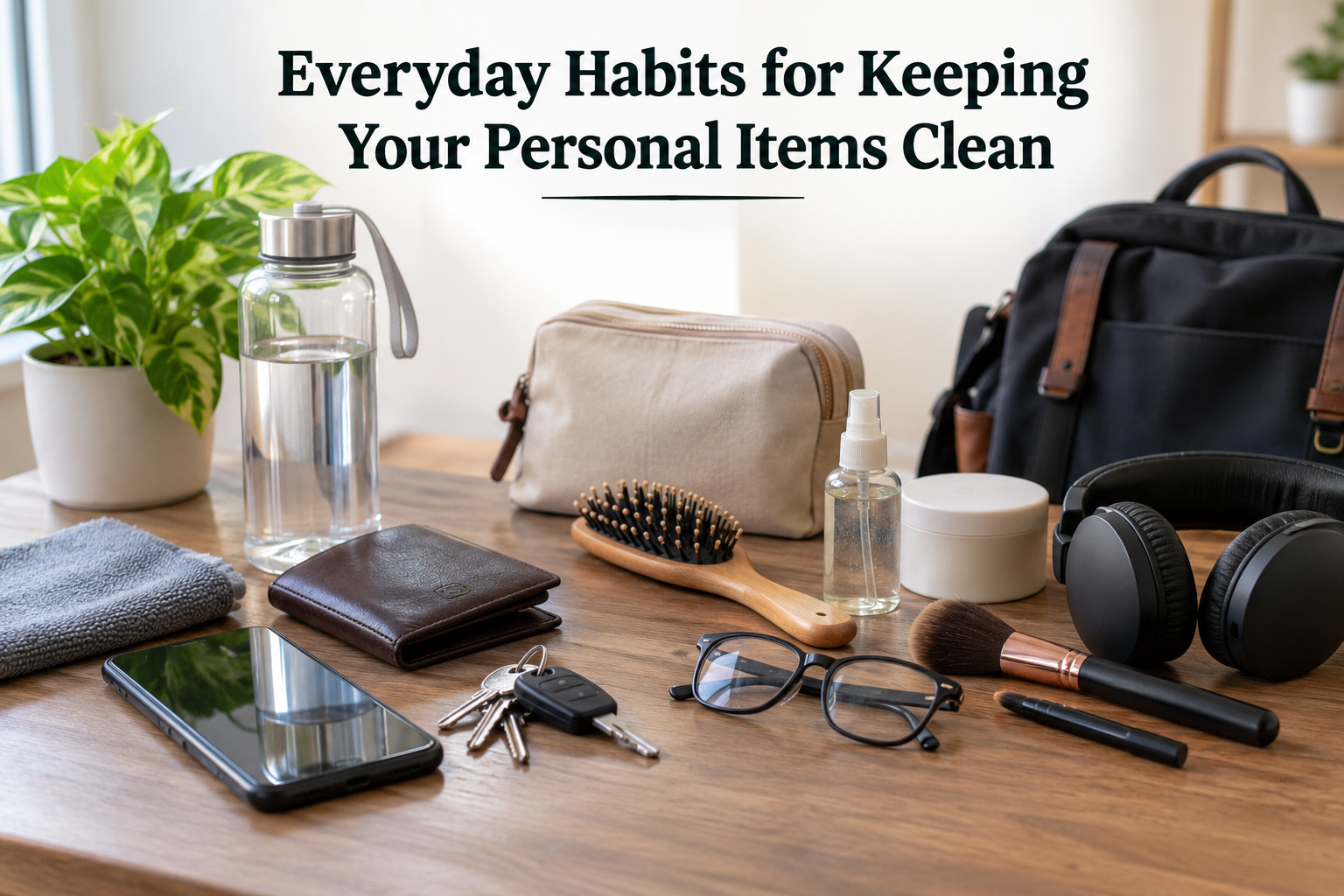
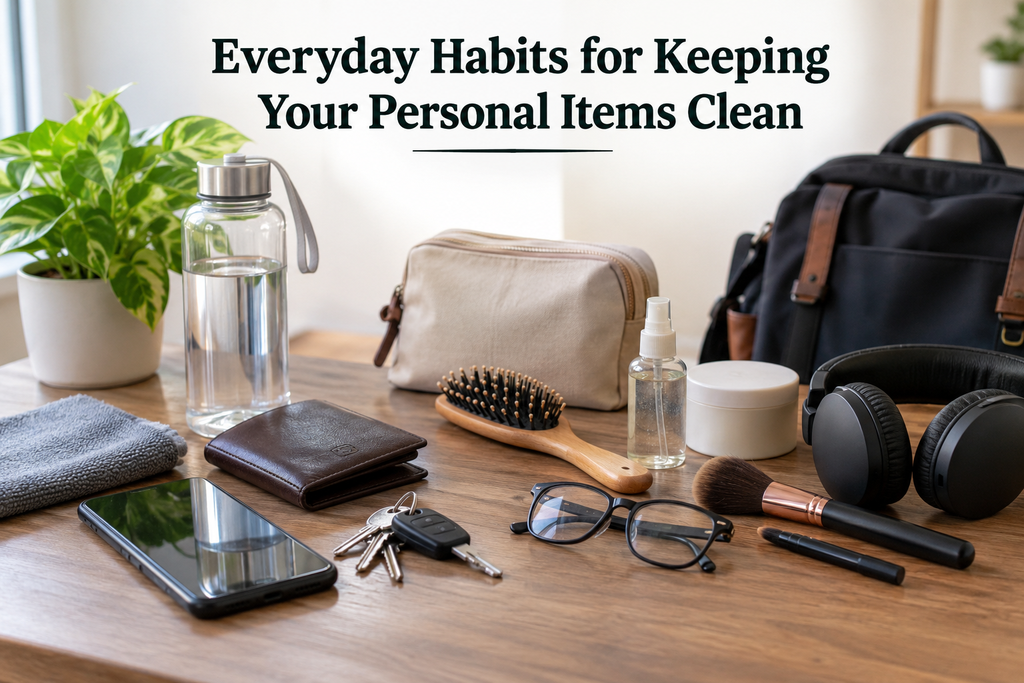
Keeping personal items clean is an important part of everyday hygiene. Most people focus on washing their hands, taking a shower, cleaning their clothes, and keeping their homes tidy, but personal belongings are often ignored. Phones, wallets, bags, keys, glasses, water bottles, combs, headphones, and other frequently used items can collect dust, oil, sweat, food particles, and dirt throughout the day.
The good thing is that keeping these items clean does not require a complicated routine. A few simple habits can make a big difference. When cleaning becomes part of your daily routine, it feels natural instead of becoming a difficult task.
The main goal is not to make every personal item perfectly clean at all times. The goal is to reduce unnecessary dirt and maintain a healthy and organized environment around the things you use most often.
Start With the Items You Touch Most Often
A useful way to begin is by identifying the personal items you use several times every day. These items usually need more attention because they are constantly handled.
For many people, the mobile phone is one of the most frequently touched objects. We carry it from room to room, place it on tables, use it while traveling, and sometimes even use it while eating. Because of this, the phone screen and case can quickly collect fingerprints, oil, and dirt.
Other frequently touched items include keys, wallets, watches, eyeglasses, headphones, computer accessories, and bags.
Instead of trying to clean everything every day, focus first on the items you touch the most. This makes the routine easier and more practical.
Clean Your Mobile Phone Regularly
A mobile phone is one of the most personal items we own. It stays close to us throughout the day and often comes into contact with our hands, face, pockets, desks, and other surfaces.
Cleaning your phone regularly can help remove visible dirt, fingerprints, and buildup. Always follow the manufacturer’s cleaning recommendations because some phones have special screen coatings that can be damaged by harsh chemicals.
A soft microfiber cloth is usually useful for wiping the screen and the back of the device. The phone case should also be cleaned because it can collect dirt around its edges and corners.
It is also a good habit to avoid placing your phone on dirty surfaces whenever possible. Keeping it away from food preparation areas and bathroom surfaces can also help reduce unnecessary contamination.
Keep Your Wallet and Purse Organized
Wallets and purses are handled frequently and often travel through many different places. They may be placed on counters, desks, car seats, restaurant tables, and other surfaces.
A simple habit is to empty your wallet or purse occasionally and remove old receipts, wrappers, unnecessary papers, and other clutter. Once the contents are removed, the inside can be gently cleaned depending on the material.
Leather items may require special care products, while fabric wallets or purses may have different cleaning instructions.
Keeping a wallet organized also makes it easier to notice dirt, spills, or damaged areas before they become a bigger problem.
Wash Reusable Water Bottles Every Day
Reusable water bottles are useful because they make it easier to stay hydrated, but they should be cleaned regularly.
Even when a bottle contains only water, moisture can remain inside after use. The drinking area can also come into contact with the mouth, hands, and outside surfaces.
A good habit is to wash the bottle at the end of the day using warm water and suitable dish soap. Pay attention to the lid, straw, mouthpiece, and rubber seals because these areas can collect residue.
Let the bottle dry properly before closing it again. Keeping it open while drying can help prevent unwanted moisture from remaining inside.
If you use your bottle for juice, milk, protein drinks, or flavored beverages, washing it soon after use becomes even more important.
Keep Your Keys Clean
Keys are often overlooked because they look simple and durable. However, they are touched many times during the day and may come into contact with pockets, bags, desks, doors, and other surfaces.
You do not need to clean your keys constantly. An occasional wipe is often enough to remove visible dirt and grime.
Keychains should also be checked from time to time. Fabric keychains may collect dust, while decorative keychains may trap dirt around small details.
Keeping your keys organized also reduces the chance of unnecessary items building up on your keyring.
Clean Eyeglasses the Right Way
Eyeglasses quickly collect fingerprints, skin oil, dust, and small particles. Many people clean their glasses using clothing, tissues, or rough fabric, but this may leave marks or even damage the lenses.
A better habit is to use a microfiber cloth made for glasses. When deeper cleaning is needed, follow the lens manufacturer’s instructions.
The nose pads and frame should not be ignored. These parts come into direct contact with the skin and can collect oil over time.
Keeping a small cleaning cloth in your glasses case makes it easier to clean them properly instead of using whatever fabric is nearby.
Wash Combs and Hairbrushes Regularly
Combs and hairbrushes collect hair, natural oils, dust, and styling product residue. If they are never cleaned, buildup can become noticeable.
Start by removing trapped hair from the brush or comb. After that, clean the item according to the material.
Plastic combs may be easier to wash, while wooden brushes may require more careful cleaning because too much water can damage them.
Making brush cleaning part of a weekly or regular routine helps keep personal grooming tools in better condition.
Keep Headphones and Earphones Clean
Headphones and earphones are another personal item that people use regularly without thinking much about cleaning.
Earphones can collect earwax, skin oil, dust, and dirt. Over ear headphones may collect sweat around the ear cushions, especially during exercise or hot weather.
Use a soft cloth and follow the manufacturer’s instructions when cleaning electronic accessories. Avoid allowing moisture to enter openings or electrical parts.
If you exercise while wearing headphones, wiping them after use can be a simple and useful habit.
It is also better not to share earphones with other people whenever possible.
Clean Your Watch and Fitness Band
Watches and fitness bands stay in direct contact with the skin for long periods. Sweat, skin oil, soap, and dust can collect underneath the strap.
Cleaning the band regularly can help keep it fresh and comfortable.
Different watch bands require different care. Silicone bands may be cleaned differently from leather or metal bands. Always check the product instructions before using water or cleaning products.
It can also be helpful to remove the watch for a short time each day so the skin underneath can stay dry.
Pay Attention to Your Bag
Bags are placed on many different surfaces during a normal day. Backpacks, handbags, laptop bags, and work bags can collect dirt both inside and outside.
One helpful habit is to avoid placing your bag on the floor whenever a cleaner surface is available.
Emptying your bag once a week can also help. Remove old papers, food wrappers, tissues, receipts, and unnecessary items. Shake out crumbs and wipe the inside if the material allows it.
The handles and straps deserve attention because they are touched frequently.
A cleaner bag also makes it easier to find what you need.
Keep Makeup Tools and Personal Care Items Clean
Personal care tools should be cleaned regularly because they often come into direct contact with the skin.
Makeup brushes, cosmetic sponges, nail tools, razors, and grooming accessories can collect product residue and natural oils.
Makeup brushes should be washed according to the type of brush and product used. They should also be allowed to dry properly before being stored.
Personal grooming tools should not normally be shared because they are designed for individual use.
Keeping these items organized in a clean storage area can also help protect them from dust.
Clean Your Computer Accessories
If you use a computer every day, the keyboard, mouse, laptop surface, and desk accessories can quickly collect dust and fingerprints.
A simple wipe can improve both cleanliness and appearance.
Before cleaning electronics, follow the manufacturer’s safety instructions and disconnect power when necessary.
Keyboards may collect crumbs and dust between the keys, especially if you eat while working. One simple way to reduce this problem is to keep food away from the keyboard.
A clean workspace often feels more comfortable and can also improve concentration.
Wash Lunch Boxes and Food Containers Promptly
Food containers should be cleaned soon after use instead of being left closed for long periods.
Food residue can dry on the surface and become more difficult to remove later. Strong smells may also remain inside containers.
Wash lunch boxes, containers, lids, and utensils properly after use. Allow them to dry before storing them.
Pay special attention to seals and corners where food particles may remain.
If a food container develops cracks, deep scratches, or damage, consider whether it is still suitable for continued use.
Avoid Mixing Clean and Dirty Items
Another useful everyday habit is to separate clean belongings from items that may be dirty.
For example, avoid placing used tissues, food wrappers, dirty gym clothes, or outdoor shoes next to clean personal items.
If you carry gym clothes in a bag, consider using a separate washable pouch.
Keeping items separated reduces clutter and makes cleaning easier.
The same idea can be used at home. Give commonly used personal items a clean and consistent storage place.
Wash Your Hands Before Handling Certain Items
Clean hands can help keep personal belongings cleaner.
For example, washing your hands before using contact lens equipment, makeup tools, food containers, or certain personal care items can reduce the amount of dirt transferred to them.
It is also helpful to wash your hands after activities such as handling garbage, cleaning, gardening, or using public transport before touching personal items that stay close to your face.
This does not mean you need to wash your hands every time you touch your phone or wallet. The goal is simply to develop sensible hygiene habits.
Do Not Forget Frequently Used Household Personal Items
Some personal items remain at home but still need occasional cleaning.
Examples include remote controls, reusable shopping bags, slippers, charging cables, bedside items, reading glasses, and reusable face towels.
Because these objects are used so often, it is easy to stop noticing them.
Adding a few of them to your weekly cleaning routine can help prevent dirt from building up.
Create a Simple Weekly Cleaning Routine
A cleaning routine works best when it is realistic.
Instead of cleaning every personal item every day, divide tasks into daily and weekly habits.
Daily habits can include washing your water bottle, wiping your phone when needed, and keeping food containers clean.
Weekly habits can include cleaning your bag, hairbrush, headphones, computer accessories, wallet, and other regularly used belongings.
This approach keeps the routine manageable.
You may find it useful to clean personal items at the same time you clean your room, desk, or workspace.
Store Personal Items Properly
Clean items can quickly become dirty again if they are stored in dusty or messy places.
Try to give frequently used belongings a specific storage area.
Keep eyeglasses inside a case when they are not in use. Store grooming tools in a clean drawer or container. Keep headphones in a protective case if available. Place your wallet, keys, and phone in a clean area rather than leaving them on the floor or near dirty surfaces.
Proper storage also protects items from damage and helps them last longer.
Avoid Sharing Personal Items
Some belongings are better kept for personal use.
Items such as toothbrushes, razors, makeup tools, towels, earphones, and certain grooming products should generally not be shared.
Keeping personal items for individual use is a simple hygiene habit and also prevents confusion about ownership.
In families with similar looking items, using different colors or storage areas can make it easier to keep belongings separate.
Clean Spills as Soon as Possible
Small spills can become bigger cleaning problems when they are ignored.
If a drink spills inside your bag, on your phone case, or on a personal item, clean it as soon as it is safe to do so.
Quick cleaning helps prevent stains, odors, and sticky residue.
For electronic devices, follow proper safety guidance and avoid turning the device on if liquid has entered important components.
Developing the habit of dealing with spills immediately can save time later.
Avoid Using Too Many Cleaning Products
Keeping personal items clean does not mean using strong chemicals everywhere.
Many objects only need gentle cleaning with a suitable cloth or mild cleaning method.
Using inappropriate chemicals can damage surfaces, screens, leather, plastics, coatings, and electronic equipment.
Always consider the material of the item before cleaning it.
Simple cleaning is often enough for everyday maintenance.
Make Cleanliness Convenient
Habits are easier to maintain when the right tools are nearby.
You can keep a microfiber cloth near your desk for glasses and screens. Keep a bottle brush near the kitchen sink. Store personal care tools in an easy to clean container.
When cleaning supplies are easy to access, you are more likely to use them regularly.
The goal is to make cleanliness part of your normal routine instead of treating it as a major project.
Do a Quick Personal Item Check at the End of the Day
Before going to bed, spend a minute looking at the items you used during the day.
Is your water bottle washed?
Is your lunch box empty?
Are your keys and wallet in their proper place?
Is your phone case visibly dirty?
Does your bag contain wrappers or unnecessary papers?
This quick check can prevent clutter and make the next morning easier.
It also helps build awareness of how personal belongings are used throughout the day.
Keep the Routine Practical
Personal hygiene routines should support daily life, not make it stressful.
You do not need to disinfect every item constantly. Regular cleaning, sensible storage, clean hands, and basic organization are usually more practical habits.
The best routine is one that you can continue consistently.
Start with the personal items you use most often. Once those habits feel natural, you can gradually include other belongings.
Final Thoughts
Everyday habits for keeping your personal items clean can make your surroundings feel more organized, comfortable, and hygienic. Items such as phones, wallets, bags, glasses, water bottles, grooming tools, headphones, and computer accessories are part of daily life, so giving them regular attention makes sense.
The process does not need to be complicated. Small actions such as washing reusable bottles, wiping frequently touched items, cleaning grooming tools, organizing bags, and storing belongings properly can become easy habits over time.
Consistency is more useful than trying to clean everything perfectly in one day. By paying attention to the items you use most often and creating a simple routine, you can keep your personal belongings cleaner without adding unnecessary stress to your day.
Clean personal items are also easier to use, more pleasant to handle, and often remain in better condition for longer. With a few thoughtful habits, personal item cleanliness can become a natural part of everyday hygiene.