

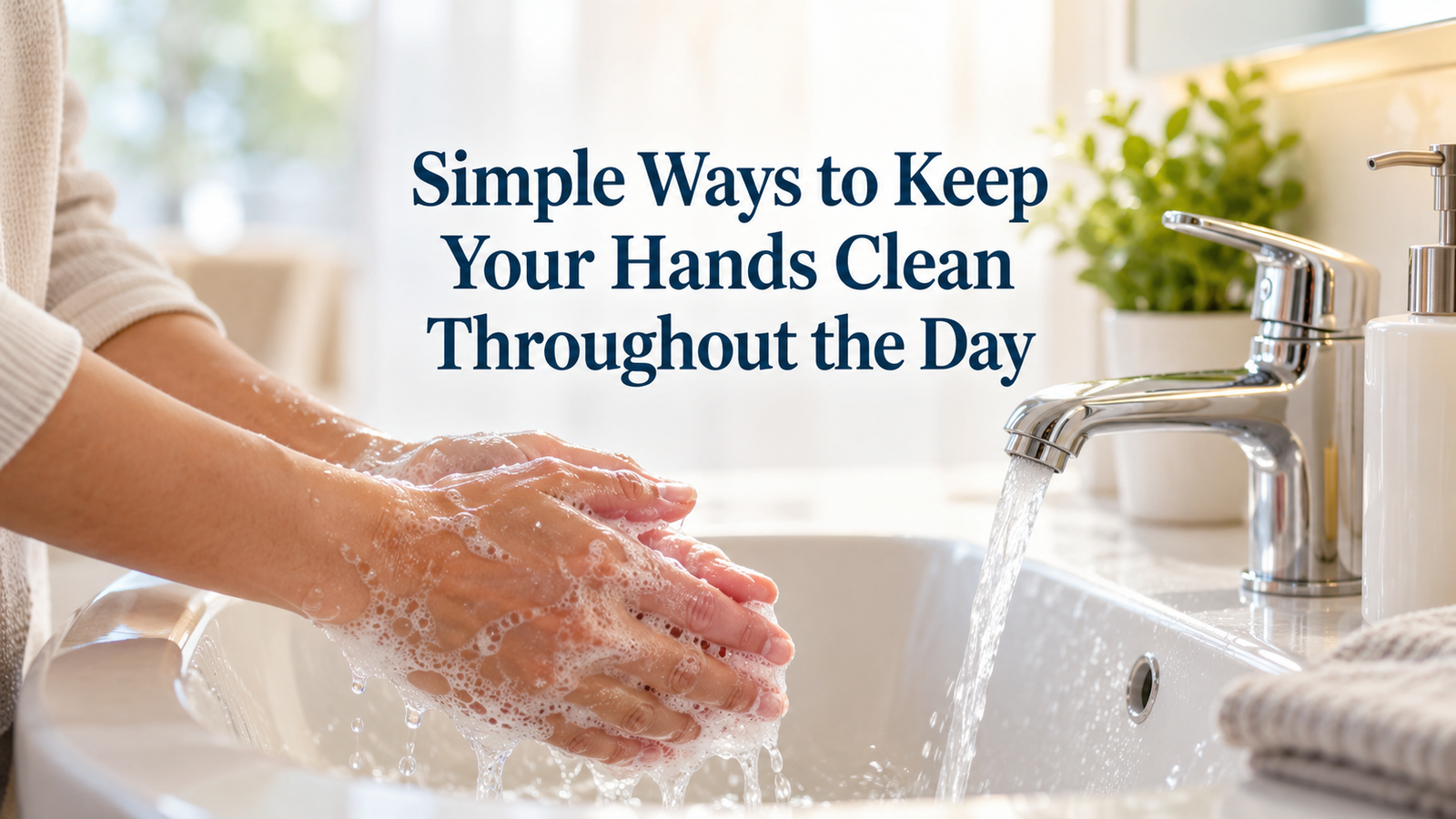
Keeping your hands clean is one of the simplest habits you can add to your daily routine. We use our hands almost constantly. We touch doors, phones, keyboards, money, food, furniture, bags, and many other objects throughout the day. Because of this, our hands can easily collect dirt, oil, and microorganisms from the surfaces around us.
Hand cleanliness does not have to feel complicated. A few practical habits can help you keep your hands fresh and clean at home, at work, while traveling, and during everyday activities. The main idea is to clean your hands at the right moments instead of washing them repeatedly without a reason.
When hand hygiene becomes part of your normal routine, it takes very little effort. Simple actions such as washing before eating, cleaning your hands after using the bathroom, and avoiding unnecessary touching of your face can make a noticeable difference.
Wash Your Hands at Important Times
You do not need to wash your hands every few minutes. Instead, focus on the moments when handwashing is most useful.
Washing your hands before preparing or eating food is a good everyday habit. Your hands may have touched your phone, door handles, shopping bags, or other objects before you sit down to eat.
You should also wash your hands after using the bathroom, coughing into your hands, handling garbage, cleaning dirty surfaces, or returning home after spending time outside.
These moments are easy to remember because they are connected with activities you already perform every day.
For example, you can make washing your hands the first thing you do after coming home. Once this habit becomes automatic, you will not need to remind yourself.
Use Soap and Water Properly
Soap and water are among the most useful tools for everyday hand cleaning. You do not need expensive products for normal hand hygiene.
Wet your hands with clean water, apply soap, and gently rub your hands together. Make sure the soap reaches your palms, the backs of your hands, between your fingers, around your thumbs, and near your fingertips.
People sometimes wash only their palms while ignoring other areas. Taking a little extra time to clean the entire surface of your hands can make handwashing more effective.
After washing, rinse away the soap thoroughly and dry your hands using a clean towel or another suitable drying method.
Good handwashing is about consistency rather than using large amounts of soap.
Do Not Forget Your Fingertips
Fingertips deserve special attention because we use them to touch almost everything.
We press phone screens, type on keyboards, open containers, handle food, press elevator buttons, and pick up small objects using our fingertips.
While washing your hands, gently rub your fingertips against your opposite palm. This helps clean areas around the nails that may otherwise receive little attention.
Keeping your nails reasonably short and clean can also make everyday hand care easier. Very long nails may require more careful cleaning because dirt can collect underneath them.
You do not need to aggressively scrub your nails every time you wash. Regular gentle cleaning is usually more practical for daily routines.
Carry Hand Sanitizer When You Are Outside
Soap and water may not always be available when you are away from home. A small bottle of hand sanitizer can be convenient in these situations.
You can keep one in your handbag, backpack, car, office drawer, or travel bag.
Hand sanitizer can be particularly useful after touching frequently handled public surfaces when you cannot immediately reach a sink.
Apply enough product to cover your hands and rub them together until they feel dry.
However, sanitizer should not completely replace normal handwashing. If your hands are visibly dirty or greasy, washing them with soap and water is usually the better option.
Think of sanitizer as a convenient backup for situations where proper handwashing is temporarily unavailable.
Clean Your Hands Before Eating
One of the easiest times to remember hand hygiene is just before meals.
Many people use their phones, touch chairs, open doors, handle money, or work on computers before they eat. Washing your hands before touching your food is therefore a sensible daily practice.
Make hand cleaning part of preparing for a meal.
At home, simply wash your hands before sitting at the table. At work, visit the washroom or nearby sink before lunch. If you are traveling and cannot find a washing area, hand sanitizer may be useful until you have access to soap and water.
This simple routine requires only a short amount of time.
Keep Your Phone Clean
Your smartphone travels almost everywhere with you.
You may place it on tables, desks, counters, car seats, restaurant surfaces, or other areas. You then pick it up repeatedly throughout the day.
Because phones are handled so often, keeping the device reasonably clean can support your overall hand hygiene routine.
Follow the cleaning instructions provided by your phone manufacturer. Some devices can be gently cleaned with suitable electronic cleaning products or wipes.
Avoid using excessive liquid because moisture can damage electronic equipment.
Cleaning your phone regularly also prevents you from immediately touching a dirty device after washing your hands.
Be Careful With Shared Surfaces
Many objects are touched by large numbers of people.
Examples include door handles, elevator buttons, shopping carts, payment terminals, office equipment, public transport handles, and shared computers.
There is no need to become worried about every surface you touch. Simply remain aware of your hand hygiene afterward.
For instance, if you have been shopping and handled a shopping cart, products, payment machines, and bags, washing your hands when you return home is a simple solution.
Good hygiene should make daily life easier, not create unnecessary stress.
Avoid Touching Your Face Unnecessarily
Most people touch their face without realizing it.
You may rub your eyes, rest your chin on your hand, touch your lips, or adjust your nose while thinking or working.
Reducing unnecessary face touching can support good hygiene, especially when you have been using shared objects or spending time in public places.
This habit can take time to improve because face touching often happens automatically.
You do not need to monitor every movement. Simply becoming more aware of the habit can gradually reduce unnecessary touching.
Wash After Handling Waste
Garbage bags, bins, food waste, cleaning materials, and dirty packaging can leave residue on your hands.
After taking out household waste or cleaning a bin, wash your hands with soap and water.
The same habit can be useful after cleaning bathrooms, handling heavily soiled laundry, or dealing with other dirty household tasks.
It can help to organize cleaning activities together. Finish your cleaning tasks first and then wash your hands thoroughly rather than repeatedly stopping after every small activity.
This makes your routine more practical.
Keep Handwashing Supplies Easy to Reach
Good habits become easier when the things you need are readily available.
Keep soap near the sinks that you regularly use. Make sure clean towels are available and replaced when necessary.
If several people share your home, check soap supplies before they run out.
You can also keep a small bottle of sanitizer near your main entrance or inside your everyday bag.
Convenience matters. When cleaning supplies are easy to find, you are more likely to use them consistently.
Protect Your Skin From Excessive Washing
Clean hands are important, but extremely frequent washing can leave some people’s skin feeling dry.
Use comfortable water rather than extremely hot water. Choose a gentle soap if your skin becomes easily irritated.
After washing and drying your hands, you may use a suitable hand moisturizer if dryness becomes noticeable.
Moisturizing is especially useful during cold weather or when frequent handwashing is required because of your work or daily activities.
The goal is to maintain clean hands while also keeping your skin comfortable.
Teach Children Simple Hand Hygiene Habits
Children can learn hand cleanliness through simple routines.
Instead of giving them long explanations, connect handwashing with familiar daily activities.
Teach them to wash before meals, after using the bathroom, after playing outside, and after returning home.
Parents can make the process easier by placing soap where children can reach it safely and helping younger children wash properly.
Children often copy what adults do. When they regularly see parents washing their hands at appropriate times, the behavior becomes easier for them to understand.
Keep Your Work Area Clean
If you spend many hours at a desk, your workspace becomes part of your daily environment.
Keyboards, computer mice, phones, pens, notebooks, and desk surfaces are touched repeatedly.
Regularly cleaning the items you use most can help keep your surroundings more pleasant.
You do not need to disinfect your entire desk constantly. A simple cleaning routine performed at reasonable intervals is usually much easier to maintain.
Keeping tissues, hand sanitizer, and basic cleaning supplies nearby may also be convenient, especially in shared workplaces.
Build Hand Hygiene Into Your Routine
The easiest habits are the ones connected with actions you already perform.
Wash your hands after arriving home.
Wash before preparing food.
Wash before eating.
Wash after using the bathroom.
Wash after handling waste or completing dirty household tasks.
These simple triggers help you remember hand hygiene without creating complicated schedules.
Eventually, the routine becomes automatic.
Keep Hand Hygiene Practical
Good hand hygiene should fit naturally into everyday life.
There is usually no need to worry about every object you touch. Instead, focus on reasonable cleaning habits at important times.
Wash your hands properly when soap and water are available. Carry sanitizer for situations where washing is not convenient. Keep frequently handled personal items reasonably clean and try to avoid unnecessary face touching when your hands have been exposed to shared surfaces.
Small habits performed consistently are often easier to maintain than complicated routines.
Final Thoughts
Learning simple ways to keep your hands clean throughout the day can make personal hygiene easier and more organized.
The most important step is not constant washing. It is knowing when cleaning your hands makes sense.
Wash before preparing or eating food, after using the bathroom, after handling waste, and when returning home from busy public places. Keep soap available near your sinks and carry sanitizer when you are traveling or spending long periods away from home.
Pay attention to your fingertips and nails, clean frequently handled personal items such as your phone, and protect your skin if frequent washing causes dryness.
Hand hygiene is a small part of the day, but it is one of those routines that quickly becomes automatic. When you keep the process simple, practical, and consistent, clean hands can naturally become part of your everyday lifestyle.