

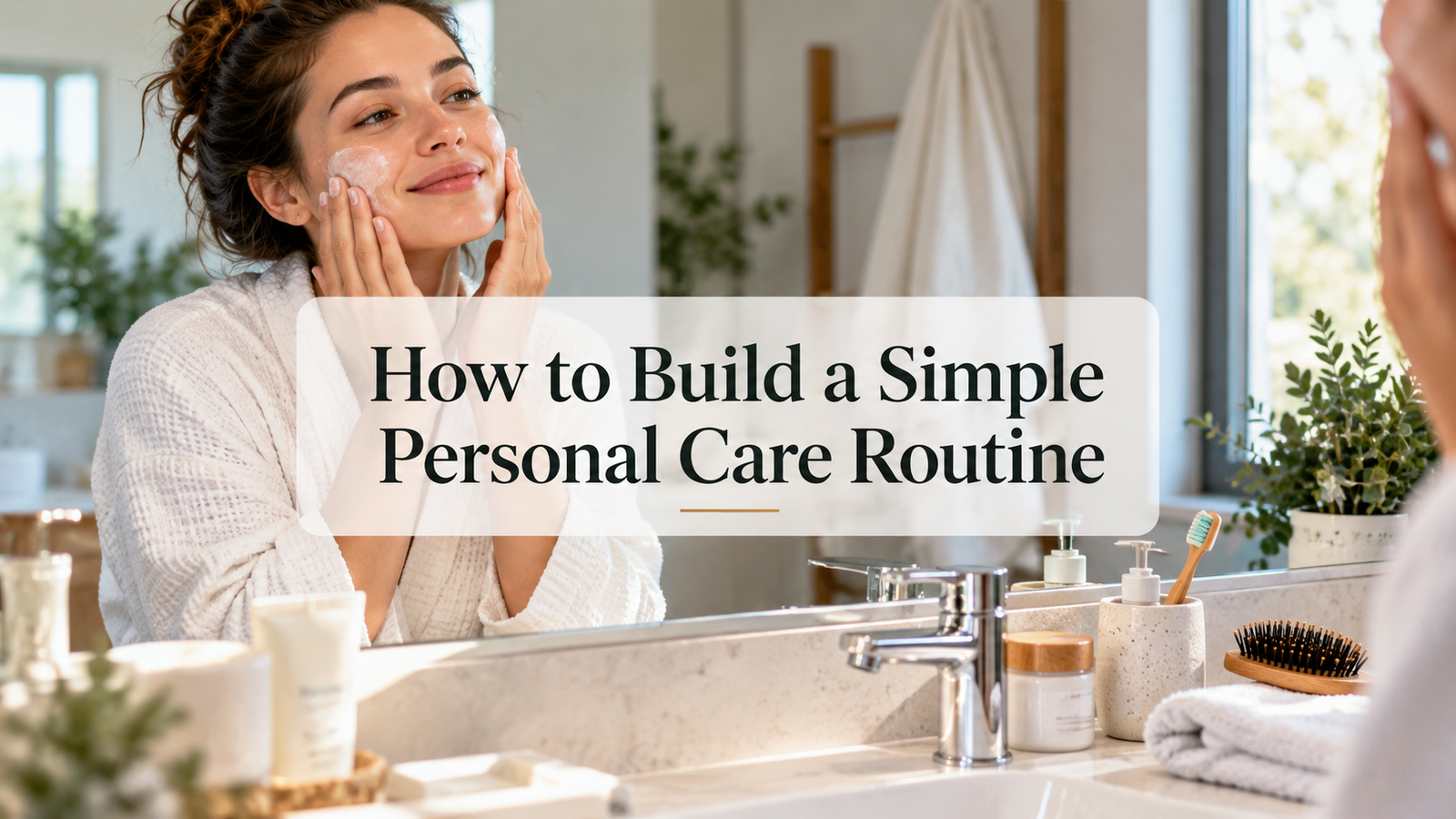
Taking care of yourself does not have to be complicated. Many people imagine personal care as a long list of products, expensive treatments, and strict daily schedules. In reality, a simple personal care routine can be built around a few basic habits that help you feel clean, comfortable, organized, and confident.
The purpose of a personal care routine is not to chase perfection. It is to create a practical system that supports your everyday wellbeing. When personal care becomes part of your normal day, it requires less effort and becomes easier to maintain.
A good routine should also fit your lifestyle. What works for one person may not work for another. Your work schedule, climate, skin type, activity level, budget, and personal preferences can all influence the kind of routine you need.
The best place to start is with the basics.
Understand What Personal Care Really Means
Personal care includes the everyday habits that help you look after your body and maintain cleanliness and comfort. It can include bathing, oral hygiene, skin care, hair care, nail care, clean clothing, and simple grooming.
It can also include habits that support rest and general wellbeing.
A personal care routine should not feel like another difficult task. It should make daily life easier. When you know what you need to do in the morning and evening, you spend less time deciding and more time following a comfortable routine.
The key is simplicity.
You do not need ten different steps for every part of your body. Start with the habits that provide the greatest practical benefit.
Start With Basic Daily Hygiene
Good hygiene is the foundation of any simple personal care routine.
Regular bathing or showering helps remove sweat, dirt, and body odor. How often you need to shower can depend on your activity level, climate, and personal preference. Someone who works outdoors or exercises daily may need to bathe more often than someone with a less active routine.
When bathing, focus on areas where sweat and odor are more likely to develop.
Use a gentle cleanser that feels comfortable on your skin. Very strong soaps may leave some people feeling dry, especially when used too frequently.
After bathing, dry your body properly and put on clean clothes.
This simple habit can make a noticeable difference in how fresh and comfortable you feel during the day.
Make Oral Care a Daily Priority
Oral hygiene is one of the most important parts of personal care.
Brushing your teeth regularly helps remove food particles and plaque. It also supports fresh breath and helps maintain clean teeth and gums.
A simple oral care routine usually begins with brushing in the morning and before bed. Take your time while brushing instead of rushing through it.
Cleaning between the teeth is also useful because a toothbrush may not reach every small space.
Your tongue can also collect bacteria and food particles, so gently cleaning it may help improve overall mouth freshness.
The main goal is consistency. A simple routine followed every day is usually more useful than an elaborate routine that is only followed occasionally.
Keep Your Skin Care Routine Simple
Skin care is one area where people often make their routine more complicated than necessary.
You may see many products online, but most people can begin with a few simple steps.
Start by gently cleansing your face. This can help remove oil, sweat, dust, and other particles that collect on the skin during the day.
After cleansing, use a moisturizer if your skin feels dry or tight.
During the daytime, sun protection can also be an important part of basic skin care, especially when you spend time outdoors.
Your skin care products should suit your skin type. If your skin is naturally dry, you may prefer richer moisturizing products. If your skin feels oily, you may prefer lighter products.
The important thing is to avoid changing products constantly.
Give your routine time and pay attention to how your skin responds.
Create a Basic Hair Care Routine
Hair care does not have to involve many different treatments.
The first step is keeping the scalp and hair clean.
How often you wash your hair depends on your hair type, scalp condition, daily activities, and environment. Some people prefer frequent washing while others feel better washing less often.
Use a shampoo that suits your hair and scalp. Apply it mainly to the scalp where oil and buildup usually collect.
Conditioner can help keep hair easier to manage, especially if your hair feels dry or rough.
Avoid using excessive heat whenever possible. Frequent use of very hot styling tools may make hair feel dry over time.
Regular combing or brushing can also help keep hair neat and manageable.
A simple hair care routine should help your hair feel clean and comfortable rather than forcing it to look perfect every day.
Take Care of Your Hands and Nails
Hands are used constantly throughout the day, so they deserve basic care.
Wash your hands when necessary, especially before eating, after using the bathroom, and after handling dirty objects.
Keep your nails trimmed and clean.
Long or poorly maintained nails can collect dirt more easily. Regular trimming makes them easier to manage.
You do not need a complicated manicure routine. Clean nails, smooth edges, and basic hand care are often enough for everyday personal grooming.
If your hands become dry from frequent washing, a basic moisturizer can help maintain comfort.
Choose Clean and Comfortable Clothing
Personal care is not only about your body. Your clothing is part of your routine as well.
Clean clothes help you feel fresh and presentable.
Underclothes and socks should be changed regularly. Clothes that become sweaty or dirty should be washed before being worn again.
Choose clothing that feels comfortable for your daily activities.
Comfort can affect how you feel throughout the day. Clothes that are too tight, too warm, or unsuitable for the weather may make your day unnecessarily uncomfortable.
Good personal care is often about small practical choices.
Build a Simple Morning Routine
A morning routine can help you start the day feeling prepared.
You do not need to spend a long time getting ready.
A simple personal care routine in the morning may include washing your face, brushing your teeth, taking a shower when needed, applying basic skin care, combing your hair, and wearing clean clothes.
The order does not matter as much as consistency.
Try to keep the routine realistic.
If your morning is busy, avoid adding steps that you know you will not follow. It is better to complete five useful steps every day than plan fifteen steps and regularly skip most of them.
Preparing some things the night before can also help.
You can choose your clothes, place your personal care products together, and keep important items in the same location.
This can make mornings calmer and more organized.
Create an Easy Evening Routine
Your evening routine is a good time to clean up after the day and prepare for rest.
Brush your teeth before bed and wash your face to remove sweat, oil, and daily buildup.
If you use skin care products, keep your evening routine simple and comfortable.
You can also prepare clean clothes for the next day, organize your personal items, and make sure your bedroom feels tidy enough for rest.
The evening is also a useful time to notice whether anything needs attention.
Maybe your nails need trimming, your hair needs washing, or your clothes need laundering.
Handling these small tasks regularly prevents them from becoming bigger jobs later.
Avoid Buying Too Many Products
One common mistake when building a personal care routine is buying too many products at once.
Advertisements and social media can make it seem like you need a separate product for every small concern.
In most cases, a simple routine can be built with only a few reliable items.
Start with basic products that you know you will use.
For example, you may need a toothbrush, toothpaste, soap or body cleanser, shampoo, moisturizer, deodorant, and a few basic grooming tools.
You can always add something later if there is a genuine need.
Buying fewer products also makes it easier to understand what works for you.
When several new products are introduced at the same time, it may be difficult to know which one is helping or causing irritation.
Simplicity makes your routine easier to manage and usually more affordable.
Keep Your Personal Care Items Organized
Organization can make a personal care routine much easier to follow.
Keep the products you use every day in an easily accessible place.
Your toothbrush should be easy to reach. Your skin care products can stay together. Hair products can be stored in one area.
When everything has a place, you spend less time searching for items.
You may also want to check your personal care products occasionally.
Replace worn toothbrushes, empty containers, damaged combs, old razors, or products that are no longer useful.
A small amount of organization can make your routine feel much smoother.
Pay Attention to Your Body
A personal care routine should be flexible.
Your needs may change with the weather, your schedule, age, physical activity, or environment.
For example, your skin may feel drier during certain seasons. You may sweat more during hot weather. Your hair may need more frequent washing during busy or active weeks.
Instead of following rules blindly, notice how your body responds.
If something feels uncomfortable, adjust your routine.
Personal care works best when it is based on awareness rather than pressure.
Make Your Routine Affordable
A useful personal care routine does not need to be expensive.
Many basic personal care habits depend more on consistency than costly products.
Choose products based on usefulness rather than packaging or trends.
Before buying something new, ask yourself whether it solves a real problem.
If you already have a product that works well, there may be no reason to replace it.
Creating a small monthly budget for personal care items can also help you avoid unnecessary spending.
Basic hygiene and grooming products can usually last for weeks or months when used properly.
Focus on Consistency Instead of Perfection
Some days will be busier than others.
You may occasionally skip part of your routine or change the timing.
That does not mean the routine has failed.
The purpose of building a simple personal care routine is to create habits that are easy to return to.
Instead of trying to be perfect, focus on doing the basics regularly.
Brush your teeth.
Keep your body clean.
Wear clean clothes.
Take care of your skin and hair.
Keep your nails tidy.
These simple habits can form a strong foundation for personal care.
Review Your Routine Occasionally
Your routine does not need to stay exactly the same forever.
Every few months, think about what is working.
You may notice that you have products you never use. You may discover that certain steps take too much time. You may also realize that one simple habit has become especially useful.
Remove unnecessary steps and keep the ones that support your daily comfort.
A good personal care routine should become easier over time.
The best routine is not the one with the most products or the longest list of steps. It is the one that fits naturally into your life.
Final Thoughts
Learning how to build a simple personal care routine begins with understanding that personal care does not need to be complicated.
Start with basic hygiene, oral care, simple skin care, hair care, clean clothing, and regular grooming. Keep your products organized and choose only the items you genuinely need.
Create a simple morning routine and an easy evening routine that fit your daily schedule.
Most importantly, focus on consistency.
Small personal care habits repeated every day can be more practical than complicated routines that are difficult to maintain.
Your personal care routine should help you feel clean, comfortable, prepared, and confident. When the routine is simple and realistic, it becomes easier to follow and naturally becomes part of everyday life.