

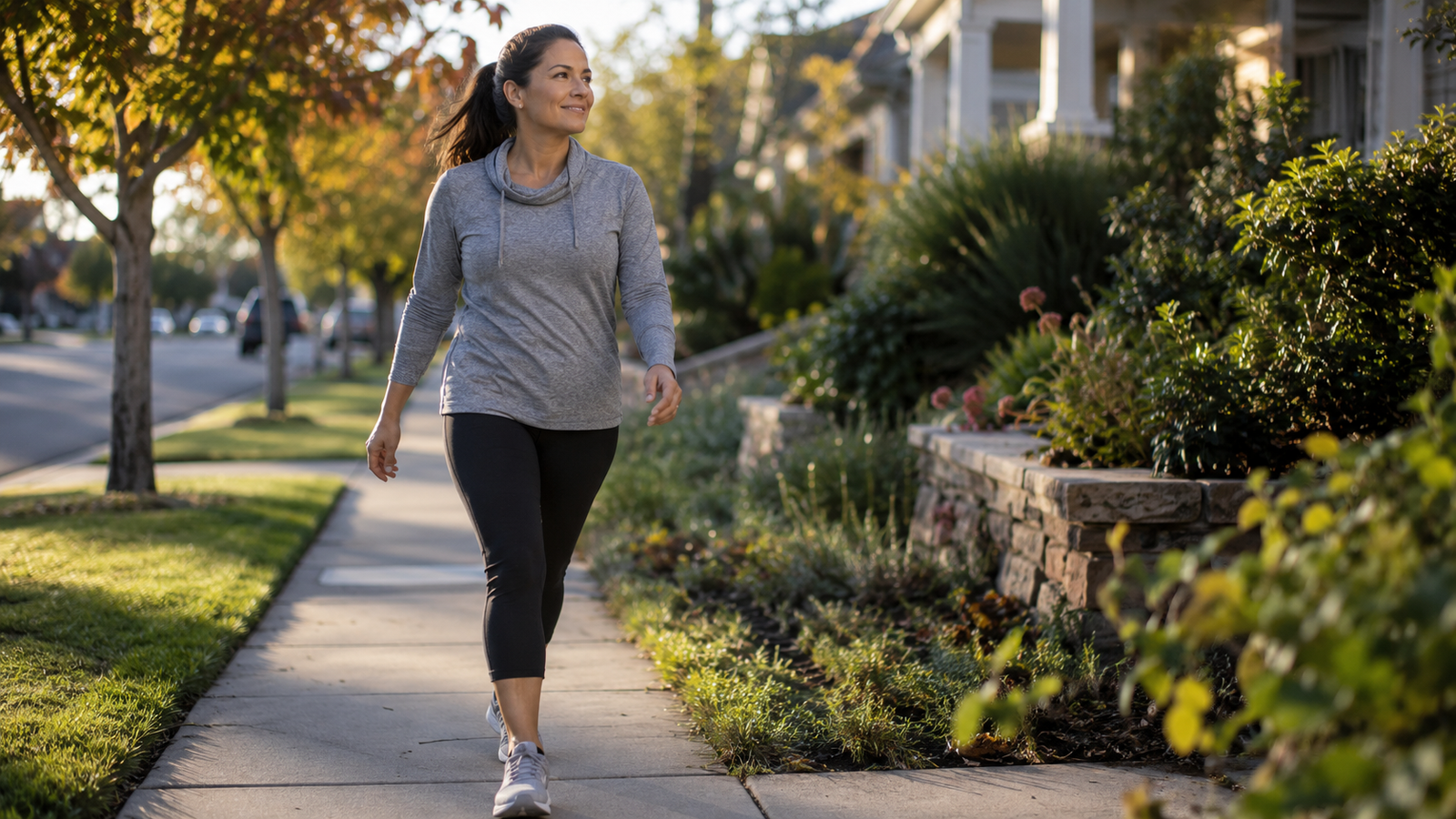
Walking is one of the simplest forms of physical activity, yet it is often overlooked. Many people think that staying active requires a gym membership, expensive equipment, or a strict workout schedule. In reality, something as simple as walking every day can make a meaningful difference in your lifestyle.
Walking does not require special training. You do not have to learn complicated exercises or spend hours preparing for it. You simply need a comfortable pair of shoes, a little time, and the willingness to move.
The biggest challenge for many people is not understanding the benefits of walking. The real challenge is making walking part of a daily routine.
A habit becomes easier when it fits naturally into your existing lifestyle. Instead of treating walking like another difficult task, you can connect it with things you already do every day.
This article explains how walking can become part of your daily routine, how to start without feeling overwhelmed, and how small changes can help you stay active over time.
Why Walking Is Such a Practical Daily Activity
One reason walking is so useful is its simplicity.
You can walk almost anywhere. You can walk around your neighborhood, inside a shopping center, in a park, near your workplace, or even around your home.
Unlike many structured workouts, walking does not always require a separate block of time. It can become part of your normal activities.
For example, you can walk while making a phone call. You can walk to a nearby shop instead of driving. You can take a short walk after dinner. You can park slightly farther away from an entrance.
These small choices may not seem important individually, but over a full day they can add more movement to your routine.
Walking also allows you to control the pace. Some days you may want a brisk walk. On other days, a relaxed walk may feel more suitable.
This flexibility is one of the reasons walking is easier to maintain than many complicated fitness plans.
Start With a Realistic Goal
A common mistake is trying to do too much at the beginning.
Someone may decide that they will suddenly walk for an hour every morning, even though they have not been exercising regularly. After a few days, the routine starts feeling difficult and they stop.
A better approach is to begin with a small goal.
You might start with ten minutes of walking each day.
Ten minutes may not sound like much, but the purpose is to build consistency first. Once walking becomes normal, you can slowly increase the duration.
You could move from ten minutes to fifteen minutes, then twenty minutes, and later thirty minutes if it suits your schedule.
The important thing is to choose a goal that feels manageable.
A routine that you can follow regularly is more useful than an ambitious plan that you abandon after a week.
Connect Walking With Something You Already Do
One of the easiest ways to build a new habit is to attach it to an existing habit.
Think about activities that already happen every day.
You wake up in the morning.
You drink tea or coffee.
You eat lunch.
You finish work.
You eat dinner.
You make phone calls.
You may be able to place a short walk before or after one of these activities.
For example, you could walk for ten minutes after breakfast. You could walk after lunch before returning to work. You could walk around your neighborhood after dinner.
When walking is connected to an existing part of your routine, you do not have to constantly decide when to do it.
Over time, the two activities can become mentally connected.
You finish dinner, and going for a walk starts feeling like the natural next step.
Take a Morning Walk
For some people, morning is the easiest time to walk.
The day has not become busy yet, and there may be fewer interruptions.
A short morning walk can also create a pleasant start to the day. Fresh air, natural light, and quiet surroundings can make the experience feel refreshing.
You do not necessarily need to wake up an hour earlier.
Even ten or fifteen minutes can be enough to create a morning walking habit.
You can walk around your street, inside a nearby park, or along a safe route close to home.
Preparing your clothes and shoes the night before can make the habit easier.
When everything is ready, there is less effort involved in getting started.
Walk During Work Breaks
Many people spend long periods sitting while working.
This is especially common for people who work at computers, study for several hours, or have office based jobs.
Short walking breaks can add movement to the day without affecting productivity.
Instead of spending every break sitting, you could walk around the office, walk outside the building, or take a short trip up and down a corridor.
Even a few minutes of movement can help break long periods of sitting.
You could also create a simple rule for yourself.
For example, after every hour of sitting, stand up and walk for a few minutes.
The goal is not to turn every break into a workout. The goal is simply to move more often.
Walk While Talking on the Phone
Phone calls can be a useful opportunity for walking.
Many people spend several minutes each day talking to family members, friends, colleagues, or clients.
If the conversation does not require you to look at a screen or take notes, you may be able to walk while talking.
You can walk around your room, your office, your garden, or another safe space.
A twenty minute phone conversation can easily become a twenty minute walk without requiring extra time in your schedule.
This is a good example of combining walking with an activity you are already doing.
Turn Short Trips Into Walking Opportunities
Think about the short journeys you make during the week.
Perhaps you visit a nearby store, pharmacy, cafe, school, or relative’s house.
Some of these trips may be close enough to walk.
Of course, walking depends on distance, weather, road conditions, traffic, and personal safety. But when the conditions are suitable, replacing a short vehicle trip with walking can be an easy way to become more active.
You do not need to change every journey.
Even replacing one or two short trips each week can increase your total walking time.
Walking can also help you notice your surroundings in a different way. You may discover small shops, streets, trees, parks, or details that you usually miss while traveling by car.
Park a Little Farther Away
Another simple strategy is to stop searching for the closest parking space every time.
If it is safe and practical, park slightly farther from the entrance.
This can work at shopping centers, offices, supermarkets, parks, and other locations.
The extra walking distance may only take a few minutes, but those minutes accumulate.
The same idea can be used with public transport.
You might get off one stop earlier and walk the remaining distance if the route is safe.
These small changes are useful because they do not require a completely separate walking session.
Walking becomes part of the journey.
Take the Stairs When Practical
Stairs are another way to add movement to daily life.
If you normally use an elevator for a short distance, consider taking the stairs when it is comfortable and appropriate for you.
You do not have to climb many floors.
Even one or two flights can add a little more activity to your day.
This strategy works especially well because stair climbing is connected to something you already need to do, which is moving from one floor to another.
Again, the goal is not to make life unnecessarily difficult.
The goal is simply to notice everyday opportunities to move.
Make Walking After Meals a Habit
Walking after a meal can be one of the easiest routines to remember.
Meals happen at regular times, which makes them useful reminders.
You could choose one meal each day and walk afterward.
Dinner is often convenient because work and school responsibilities may already be finished.
A gentle walk after dinner can also become enjoyable family time.
Instead of everyone immediately sitting with phones, television, or computers, family members can walk together for a short period.
The walk does not have to be fast.
The important part is consistency.
When you repeat the same habit regularly, it requires less mental effort.
Walk With Family or Friends
Walking alone can be peaceful, but walking with another person can make the activity more enjoyable.
You can invite your spouse, children, friend, neighbor, or colleague.
A walk becomes a chance to talk without the distractions that often exist at home or work.
You can discuss your day, make plans, or simply enjoy the surroundings.
Having a walking partner can also create accountability.
If two people agree to walk together at a particular time, both may be more likely to follow the routine.
However, it is still useful to be comfortable walking alone. You do not want your entire habit to depend on someone else’s schedule.
Use Walking as Personal Thinking Time
Walking does not always need to be entertainment.
It can also become quiet thinking time.
Some people enjoy using their walk to reflect on their day, solve problems, plan future tasks, or simply clear their minds.
Without constant notifications and screens, walking can create a calm environment for thought.
You might use the first half of your walk to think about work or personal goals, then use the second half to simply observe your surroundings.
There is no correct way to do this.
The point is to make walking meaningful enough that you look forward to it.
Listen to Something While You Walk
If you find walking boring, you can combine it with something you enjoy.
You might listen to a podcast, audiobook, educational program, or music.
This can make a longer walk feel shorter.
Some people even save their favorite podcast only for walking. This creates extra motivation because they need to walk if they want to hear the next episode.
Just remember to stay aware of your surroundings.
If you are walking near traffic, crowded streets, or unfamiliar areas, keep the volume low enough to hear what is happening around you.
Safety should always come first.
Keep Your Walking Shoes Visible
Small environmental changes can influence habits.
If your walking shoes are hidden in a cupboard, walking may be easier to forget.
Try placing them somewhere visible and convenient.
Seeing your shoes near the door can act as a simple reminder.
You can also keep a light jacket, water bottle, or other useful items nearby.
The easier it is to start, the more likely you are to follow through.
Reducing small obstacles can make a surprising difference in building a routine.
Schedule Walking Like an Appointment
Some people need more structure.
If your days are busy, walking may keep getting pushed aside unless you reserve time for it.
You can add walking to your calendar just like any other activity.
For example, you might schedule a twenty minute walk at 7:00 in the morning or a fifteen minute walk after lunch.
Seeing it on your schedule can make it feel more intentional.
You do not need to become obsessed with exact timing.
The schedule is simply a reminder that walking deserves a place in your day.
Use Step Counts Carefully
Step counters on phones and smartwatches can be useful for understanding how much you normally move.
You can observe your average daily steps for several days and then set a realistic goal.
If you usually take 4,000 steps per day, suddenly trying to reach a very high number may feel difficult.
You could first aim for 4,500 or 5,000 steps, then increase gradually.
The exact number is less important than steady improvement and consistency.
Do not allow a step count to turn walking into a stressful competition.
Some days will naturally be more active than others.
The purpose of tracking is to provide information and motivation, not pressure.
Create Different Walking Routes
Repeating exactly the same route every day can become boring.
Having several routes gives you variety.
You might have a short ten minute route for busy days, a twenty minute route for normal days, and a longer route for weekends.
You can also explore different parks or neighborhoods.
Changing your surroundings can make walking feel more interesting and less repetitive.
If you live in an area where outdoor walking is difficult, indoor options can also work.
Shopping centers, large buildings, corridors, and even walking around your home can provide movement.
The location matters less than the habit itself.
Do Not Let Perfect Conditions Control Your Routine
It is easy to say, “I will walk when the weather is perfect.”
The problem is that perfect conditions do not happen every day.
There may be heat, rain, wind, cold weather, busy schedules, or unexpected responsibilities.
A flexible routine is more sustainable than a perfect one.
On days when a long outdoor walk is not possible, you can choose a shorter walk or an indoor alternative.
You might walk around your home for ten minutes while listening to something.
The goal is to protect the habit.
A small amount of walking on a difficult day can help maintain consistency.
Increase Your Walking Gradually
Once walking becomes normal, you may naturally want to do more.
You can increase your walking time, distance, or pace slowly.
For example, if you normally walk for fifteen minutes, try twenty minutes.
If your route feels easy, add another street or another loop around the park.
If you enjoy brisk walking, you can increase your pace for short sections.
There is no need to rush.
Gradual progress is often more comfortable and easier to maintain.
Your routine should support your lifestyle rather than become another source of pressure.
Keep Walking Enjoyable
The best routine is usually one you enjoy enough to continue.
If you hate waking up early, forcing yourself to walk every morning may not be the best strategy.
You may prefer an evening walk.
If you dislike walking alone, invite a friend.
If you become bored easily, listen to podcasts or explore different routes.
If you have limited time, use shorter walks throughout the day.
There is no single perfect walking routine.
The best routine is the one that works consistently for you.
Focus on Consistency, Not Perfection
Missing one walk does not destroy your progress.
Life is unpredictable.
There will be busy days, travel, bad weather, family responsibilities, and other interruptions.
The problem begins when one missed day turns into several weeks.
If you miss your usual walk, simply return to your routine when you can.
You do not need to compensate by walking for hours the next day.
Building a habit is about what you do most of the time, not what happens occasionally.
This mindset makes walking feel sustainable.
Make Walking Part of Your Identity
One of the strongest changes happens when walking stops feeling like a temporary fitness challenge.
Instead, it becomes part of how you live.
You begin to think, “I am someone who walks regularly.”
When this happens, you naturally notice opportunities to walk.
You walk after dinner because it feels normal.
You park farther away without thinking much about it.
You choose the stairs when appropriate.
You take short walking breaks because sitting for too long feels unusual.
The behavior becomes less dependent on motivation.
It becomes part of your lifestyle.
A Simple Daily Walking Routine
You do not need a complicated plan.
A simple routine might look like this.
Walk for ten minutes in the morning.
Take a five minute walking break during work or study.
Walk for ten to fifteen minutes after dinner.
That already creates twenty five to thirty minutes of walking throughout the day.
Another person may prefer one thirty minute walk in the evening.
Someone else may walk during phone calls and errands.
All of these approaches can work.
The key is finding a routine that fits naturally into your day.
Final Thoughts
Walking can become part of your daily routine without requiring a major lifestyle change.
The easiest way to begin is to stop thinking of walking only as exercise. Think of it as a normal form of daily movement.
Start with a small amount of time. Connect walking to activities you already do. Walk after meals, during breaks, while talking on the phone, or when completing short errands.
Make the habit convenient, enjoyable, and flexible.
You do not need to walk long distances every day. You do not need expensive equipment or complicated plans. What matters most is creating a routine that you can continue.
Small walks performed regularly can gradually become part of your normal lifestyle.
Once that happens, walking no longer feels like another task on your schedule.
It simply becomes part of your day.